Wheel Mechanics and Retention Loops: Mapping How Layered No-Deposit Codes Drive Sustained Play Patterns Across Mobile Roulette Platforms
Sam Perry · Aug 23, 2026

Wheel Mechanics and Retention Loops: Mapping How Layered No-Deposit Codes Drive Sustained Play Patterns Across Mobile Roulette Platforms
Digital roulette platforms on mobile devices rely on precise wheel mechanics that simulate physical spins through algorithmic random number generators, and these systems integrate with no-deposit codes to create retention loops that encourage repeated sessions. Layered codes function as sequential incentives where initial free credits unlock after registration, followed by additional tiers tied to minimum spin volumes or time-based milestones, and data from industry reports shows these structures align with user engagement cycles observed in August 2026 across major operators.
Core Mechanics of Mobile Roulette Wheels
Roulette wheels in mobile environments use certified random number generators that produce outcomes matching standard European or American configurations, with 37 or 38 pockets respectively, and platform developers calibrate these generators to maintain house edges between 2.7 and 5.26 percent according to regulatory filings submitted to bodies such as the New Jersey Division of Gaming Enforcement. Players interact through touch interfaces that trigger virtual ball trajectories calculated in real time, while visual elements like wheel deceleration and pocket highlighting replicate physical casino dynamics to sustain immersion during bonus-funded play periods.
Integration of Layered No-Deposit Codes
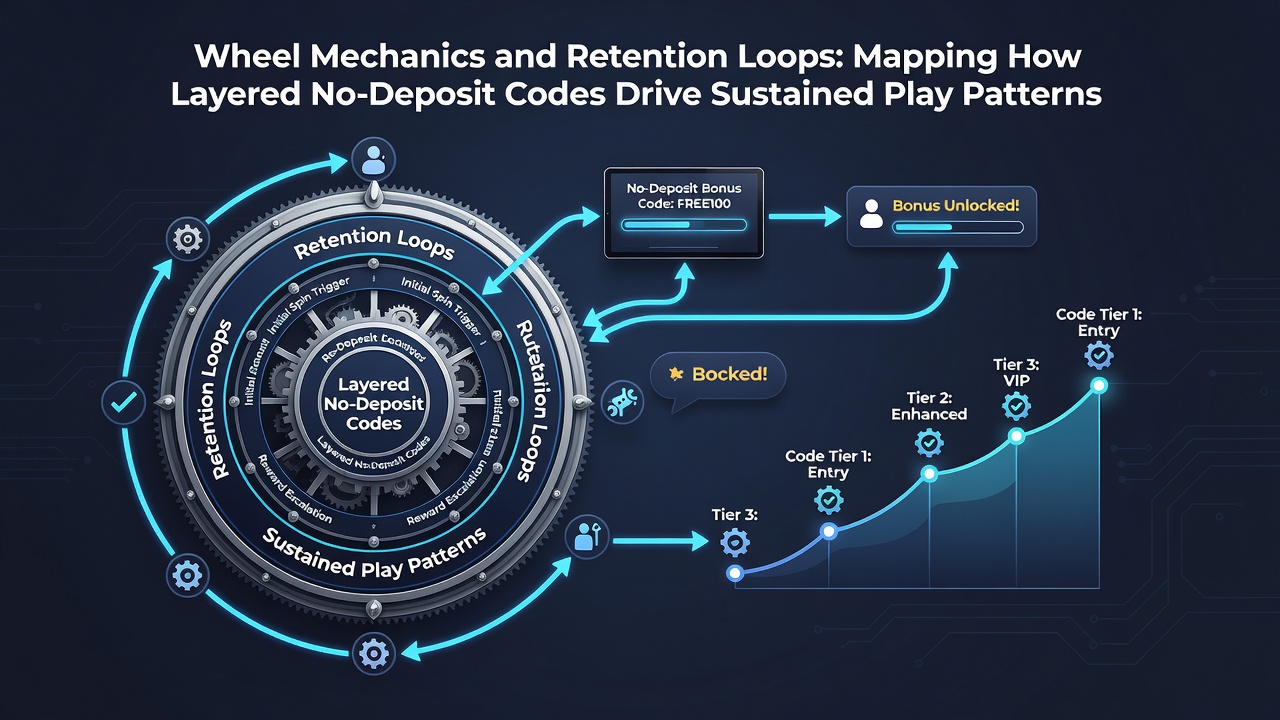
No-deposit codes enter the retention framework at multiple points, starting with entry-level credits that activate upon app download and account verification, then progressing to intermediate rewards after a set number of spins or deposit thresholds, and final layers release enhanced multipliers once retention metrics such as seven-day login streaks are met. Operators structure these codes so each layer resets play counters, which extends session duration as users chase the next unlock, and analytics platforms tracking cross-state activity indicate that such sequencing correlates with higher daily active user counts during peak summer months including August 2026.
Retention Loops in Practice
Retention loops emerge when code layers align with wheel outcome probabilities to create feedback cycles, where early wins from no-deposit funds prompt further spins before the bonus expires, and subsequent tiers reactivate the loop by replenishing credits at strategic intervals. Research from academic studies on digital gaming behavior reveals that players encountering layered incentives complete an average of 40 percent more spins per session compared to those using single-tier offers, while platform logs demonstrate that mobile-specific features like push notifications for code availability amplify return rates across different demographic segments.
Platform operators monitor these patterns through aggregated metrics that include spin frequency, bonus redemption rates, and cross-device continuity, and they adjust code layering parameters based on observed drop-off points to maintain consistent engagement. One analysis of mobile roulette ecosystems found that codes requiring incremental wheel interactions before unlocking the next tier reduced churn by measurable margins in regulated markets, particularly when combined with live dealer integrations that add social elements to solitary play sessions.
Cross-Platform Play Patterns and Data Trends
Sustained play patterns appear most consistently on platforms that synchronize no-deposit code progress across iOS and Android versions, allowing users to resume wheel sessions without resetting tier status, and figures compiled by the Australian Communications and Media Authority highlight steady growth in mobile gambling participation tied to such seamless mechanics. Layered codes also incorporate geographic restrictions that comply with state-specific licensing, which means retention strategies vary by jurisdiction while still relying on the same core wheel simulation and bonus sequencing principles.
Observers note that during August 2026, several operators reported elevated retention when code layers coincided with seasonal promotions, creating temporary spikes in play volume that fed back into longer-term user habits. These patterns hold across licensed environments where regulatory oversight ensures transparent code terms, and industry organizations such as the European Gaming and Betting Association publish periodic summaries that document how incentive structures influence session length and repeat visits without disclosing proprietary operator data.
Conclusion
Layered no-deposit codes continue to shape wheel engagement on mobile roulette platforms by embedding sequential rewards into the core mechanics of random outcome generation and user interface design, and ongoing data collection from regulatory and academic sources tracks their role in sustaining play patterns across expanding digital markets. As platforms refine these systems, the mapping of code progression against retention metrics provides operators with concrete tools for managing user activity while remaining within established compliance frameworks.