Virginia Governor Spanberger Vetoes Fairfax County Casino Referendum and Statewide Skill Games Bills
Taylor Walter · Apr 12, 2026

Virginia Governor Spanberger Vetoes Fairfax County Casino Referendum and Statewide Skill Games Bills
The Vetoes That Shook Virginia's Gambling Landscape
On April 10, 2026, Virginia Governor Abigail Spanberger took decisive action by vetoing Senate Bill 756, a measure that would have paved the way for a casino referendum in Fairfax County; the very next day, April 11, she followed up with a veto of Senate Bill 661, which sought to legalize up to 25,000 skill games across the state. These moves, detailed in reports from Gambling Insider, highlight ongoing tensions between economic development pushes and regulatory caution in the commonwealth's evolving gambling sector, where casinos and sports betting have gained footholds since 2020, yet skill games remain a flashpoint.
What's interesting here is how these vetoes come at a pivotal moment, just as the General Assembly prepares to reconvene on April 22, 2026, giving lawmakers a chance to fight back with a two-thirds majority override; observers note that such overrides succeed rarely, but the stakes feel high given the revenue potential tied to both proposals.
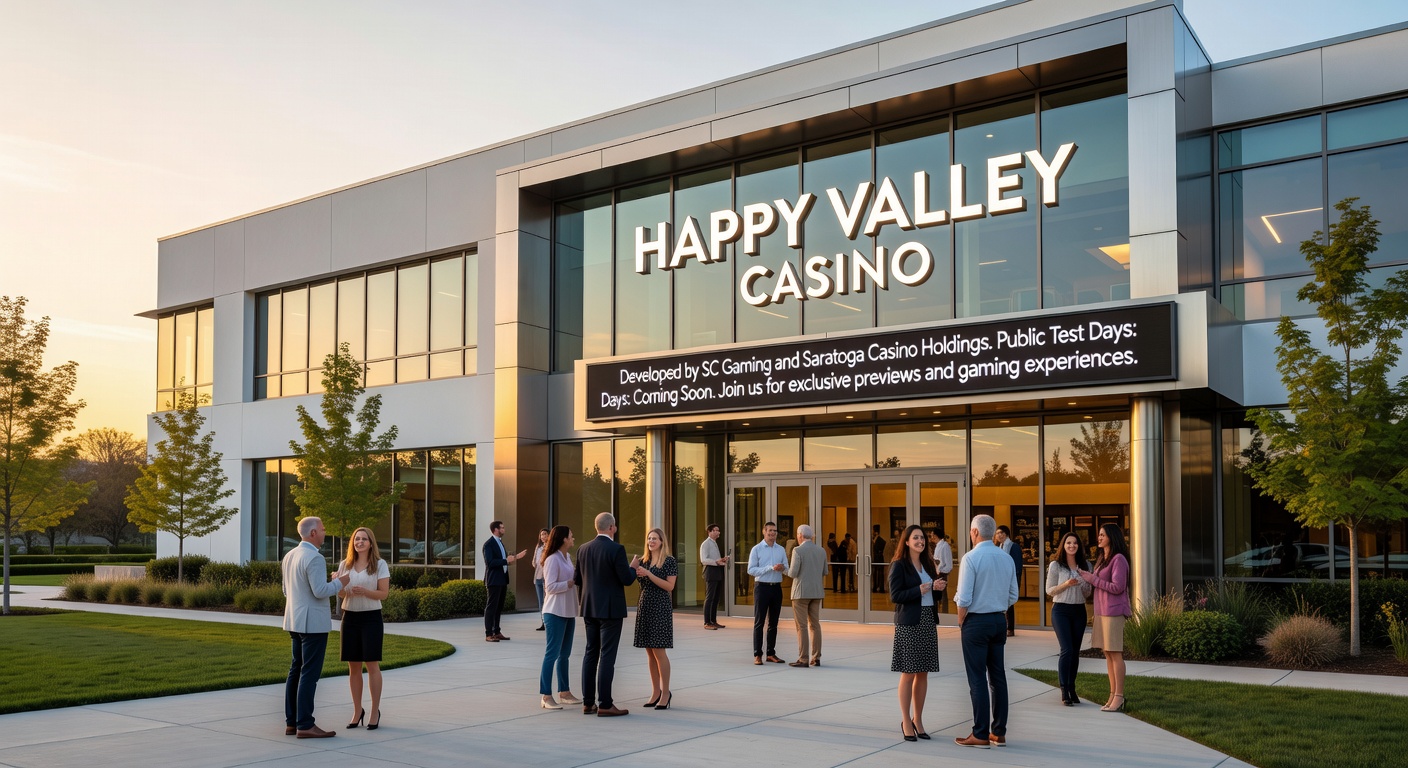
Senate Bill 756 targeted Fairfax County, one of Virginia's wealthiest and most populous areas, by authorizing a local referendum on a potential casino resort; proponents argued it could generate jobs, tourism dollars, and tax revenue similar to the five commercial casinos already operating in places like Portsmouth and Danville, which collectively pulled in hundreds of millions in gaming taxes since their 2022 openings.
Breaking Down Senate Bill 756: The Fairfax Casino Push
Advocates for Senate Bill 756 pointed to Fairfax's strategic location near Washington, D.C., suggesting a casino there could mirror the success of nearby Maryland's MGM National Harbor, which rakes in over $700 million annually in gross gaming revenue; the bill would have set the stage for voters to decide in November 2026, with developers eyeing a project that promised thousands of construction jobs followed by hundreds of permanent positions in hospitality and gaming.
But here's the thing: Governor Spanberger's veto letter emphasized broader concerns, noting the absence of a unified regulatory framework overseeing all forms of gambling in Virginia, from horse racing and lotteries to the newer casino complexes; without such centralization, she argued, oversight gaps could emerge, potentially undermining public safety and fiscal accountability.
Those who've tracked Virginia's casino expansions know the process started back in 2020, when voters approved a constitutional amendment allowing up to five casinos via local referendums; four have since launched, with the fifth in process, generating $415 million in state taxes through early 2026 according to Department of Taxation figures, yet Fairfax's bid represented an outlier, as no prior referendum had failed in the qualifying cities.
Senate Bill 661 and the Skill Games Controversy
Turning to Senate Bill 661, this legislation aimed to regulate and legalize up to 25,000 skill-based gaming machines statewide, machines often found in gas stations, truck stops, and bars; these devices, which blend elements of slots with player-influenced outcomes, have operated in a legal gray area since a 2018 court ruling deemed them skill games rather than illegal gambling, leading to explosive growth from a few thousand to over 150,000 by 2025 estimates before enforcement crackdowns.
Data from the fiscal note on Senate Bill 661, published April 8, 2026, projected $100 million-plus in annual tax revenue at a 15% rate, plus local business taxes, positioning skill games as a low-barrier revenue stream compared to billion-dollar casino builds; supporters, including convenience store owners and some rural lawmakers, framed them as a lifeline for small businesses hit hard by pandemic closures.
Governor Spanberger, however, zeroed in on equity issues, citing how during the COVID-19 pandemic these machines proliferated disproportionately in lower-income and minority communities; studies from groups like the Joint Legislative Audit and Review Commission (JLARC) in 2023 revealed concentrations in areas with higher poverty rates, raising flags about predatory placement and addiction risks without robust consumer protections.
Governor's Stated Reasons: Regulation and Equity at the Forefront
In her veto messages, Spanberger stressed the need for a centralized authority to regulate all gambling verticals cohesively, pointing out that while the Virginia Lottery oversees lotteries and sports betting, casinos fall under the Lottery Board too, but skill games would introduce fragmented rules; this setup, she warned, creates oversight gaps where problem gambling could flourish unchecked, especially since skill games lack the age verification and responsible gaming tools mandated at casinos.
Experts who've studied Virginia's gambling policy evolution observe that the commonwealth learned hard lessons from early skill game booms, including 2021 raids that seized thousands of machines after Attorney General opinions classified many as unlicensed slots; a 2024 compromise bill taxed operators at 35% but faced court challenges, leaving the sector in limbo until this latest push.
And on the equity front, reports indicate skill games clustered in urban food deserts and rural pockets where alternatives like casinos don't exist, with one JLARC analysis showing 40% of machines in census tracts with median incomes below $50,000; Spanberger's veto underscores how these patterns persisted even as legal casinos boomed in select cities, prompting calls for data-driven placement restrictions.
The Path Forward: Override Votes Loom on April 22
Now, with the General Assembly set to return April 22, 2026, for its veto session, both bills face override attempts requiring two-thirds support in each chamber; Senate Bill 756 passed the Senate 27-13 and House 67-30 initially, clearing the threshold already, while Senate Bill 661 eked through 21-19 in the Senate but 52-46 in the House, falling short unless a few votes flip.
Those close to the negotiations say casino backers, including Fairfax developers who've invested in lobbying, remain optimistic, citing economic modeling that forecasts a Fairfax resort adding $200 million yearly to state coffers; skill games proponents, meanwhile, leverage small business testimonials, arguing legalization beats the current underground market where untaxed machines drain $500 million annually per industry estimates.
Yet history shows veto overrides in Virginia succeed only about 10% of the time since 2000, often on bipartisan issues; gambling bills, though, carry unique bipartisan appeal, blending Democratic labor interests with Republican deregulation vibes.
Broader Context in Virginia's Gambling Boom
Virginia's gambling journey accelerated post-2018, when sports betting joined the lottery, followed by casino authorizations; by 2026, mobile betting apps like DraftKings and FanDuel dominate with $5 billion in annual handle, while physical casinos in Bristol, Danville, Norfolk, and Portsmouth employ over 5,000 and pay out $2.5 billion in winnings yearly.
Skill games, by contrast, represent grassroots gambling, with machines costing $1-5 per play and payouts up to $1,000; a 2025 Virginia State Police report logged over 2,000 enforcement actions, seizing $40 million in devices, underscoring the chaos legalization aims to tame.
Take one case from Henrico County, where operators sued after a 2024 ban, winning temporary injunctions that kept machines humming; such battles illustrate why Spanberger pushes for comprehensive reform, perhaps modeling after Pennsylvania's unified gaming control board.
Potential Impacts and Stakeholder Reactions
Should overrides fail, Fairfax casino hopes dim until 2027 sessions, delaying what boosters call a "game-changer" for Northern Virginia traffic and D.C. commuters seeking local entertainment; skill games, already operating covertly, might see intensified crackdowns, pushing operators toward neighboring states like West Virginia with friendlier rules.
Stakeholders react predictably: the Virginia Casino Gaming Association applauds the vetoes for protecting regulated gaming's integrity, while the Coalition for Virginia Skill Games decries them as anti-small business; lawmakers like Senate Majority Leader Scott Surovell signal willingness to negotiate hybrid bills blending regulation with revenue shares.
It's noteworthy that these vetoes align with national trends, where states like Ohio and Nebraska wrestle similar skill game debates, balancing windfalls against social costs; Virginia's next moves could set precedents.
Conclusion
Governor Spanberger's vetoes of Senate Bills 756 and 661 mark a regulatory checkpoint in Virginia's gambling expansion, prioritizing centralized oversight and equitable access over rapid growth; as the April 22 reconvene approaches, the override drama will test legislative resolve against executive caution, with economic projections hanging in the balance. Observers watch closely, knowing the outcome shapes not just Fairfax's skyline or corner store machines, but the commonwealth's approach to an industry now worth billions.