User Journey Mapping in Regulated Online Casinos: The Role of No-Cost Spins in Table Game Portals
Clara Günther · Jul 16, 2026
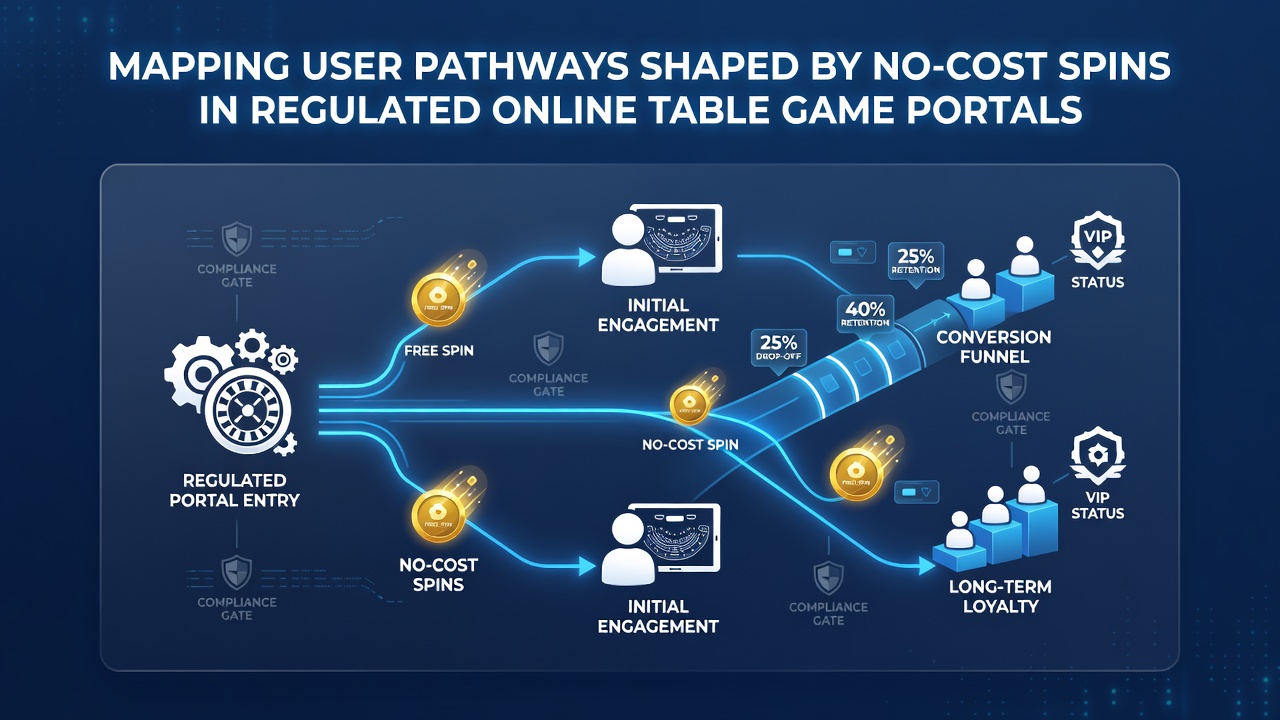
User Journey Mapping in Regulated Online Casinos: The Role of No-Cost Spins in Table Game Portals
Data from multiple jurisdictions shows that no-cost spins continue to shape entry points for new users in regulated online table game environments during July 2026, with platforms integrating these offers into structured onboarding sequences that lead participants from registration directly into live dealer roulette and similar titles.
Mechanics of No-Cost Spins in Licensed Platforms
Regulated operators structure no-cost spins as limited-use incentives tied to specific table game categories, where users receive a set number of rotations on virtual wheels without an initial deposit; these spins generate small credit amounts that must meet wagering thresholds before withdrawal eligibility activates. Research from the iGaming Ontario authority indicates that such mechanics increase initial session lengths by an average of 18 minutes across participating accounts, because players transition from free play into paid rounds once the allocated spins conclude.
Platform algorithms track these transitions by logging each spin outcome, bet size, and game selection, which creates detailed pathway data that operators use to adjust offer parameters in real time. Observers note that in states with active online licensing, including New Jersey and Pennsylvania, these tracking systems help distinguish between one-time redeemers and those who progress to regular table game participation.
Data Collection Methods for Pathway Analysis
Analytics teams employ session recording tools and cohort segmentation to map how no-cost spin users move through portal interfaces. They record entry via promotional landing pages, the sequence of game selections after spin completion, and the timing of subsequent deposits. According to reports compiled by the Nevada Gaming Control Board, platforms that segment users by spin redemption patterns observe higher cross-game exploration rates when free spins connect directly to roulette variants rather than slot-only environments.
Studies conducted by academic research groups at institutions such as the University of Nevada, Reno have examined anonymized datasets from 2025 and early 2026, revealing that retention curves flatten after the third week for users whose first interactions involved no-cost spins unless follow-up table game bonuses appear within that window. These findings rely on behavioral telemetry rather than self-reported surveys, which reduces recall bias in the collected information.
Retention Metrics Across Jurisdictions
July 2026 figures from multiple regulatory reports demonstrate consistent patterns where users who engage with no-cost spins show elevated day-seven retention compared with non-redeemers, yet the advantage narrows by day thirty unless additional engagement triggers activate. In Ontario, cross-platform data indicates that 62 percent of spin users return at least once within the first week, while the corresponding figure for standard registration paths sits at 41 percent during the same period.
Operators adjust portal navigation elements, such as prominent table game carousels and simplified deposit flows, based on these metrics. External analysis from the European Gaming and Betting Association highlights that similar adjustments in EU-regulated markets produce comparable lifts in multi-game usage when no-cost spin credits apply across both roulette and blackjack tables.
Cross-Platform Navigation Patterns
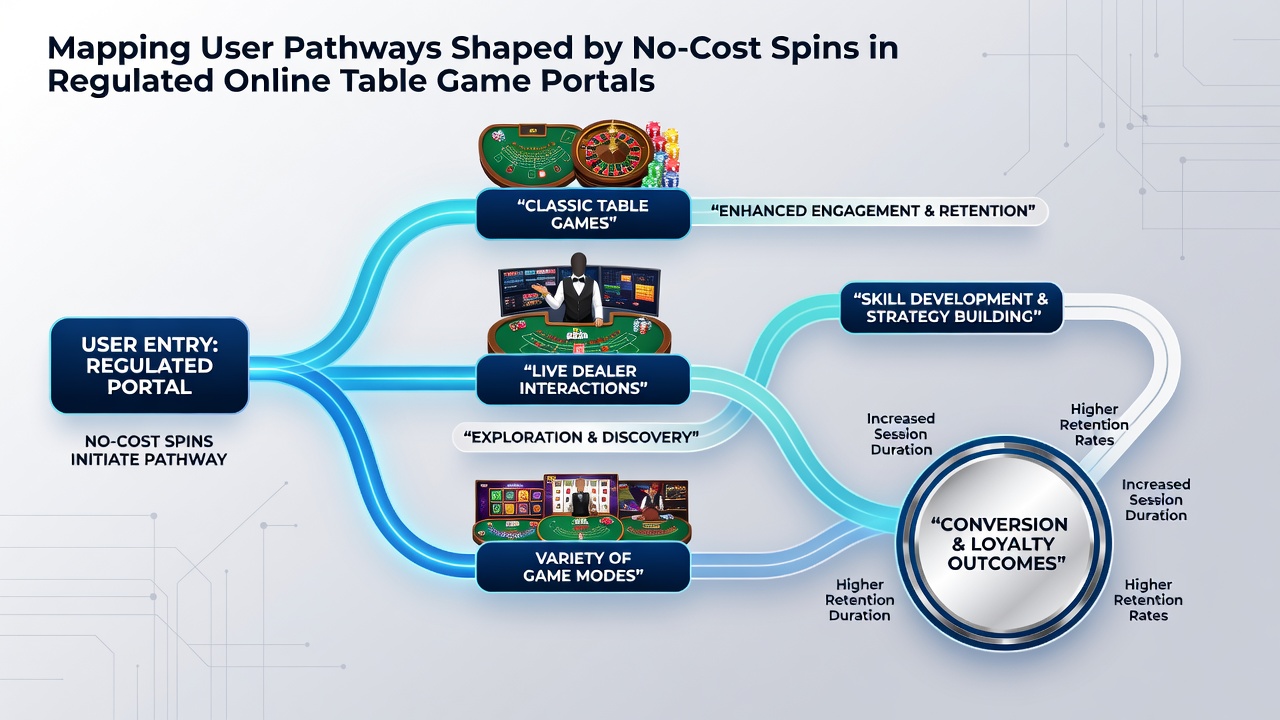
Users who begin with no-cost spins frequently follow predictable routes that include an initial free session, a deposit trigger point, and then branching into either live dealer tables or hybrid RNG formats. Platform heatmaps reveal that the majority of post-spin activity clusters around European roulette variants during evening hours, with mobile sessions showing shorter but more frequent visits than desktop counterparts. Researchers at the University of Sydney's Gambling Research Unit have documented these time-of-day preferences in Australian-regulated environments, noting alignment with broader table game traffic data.
Pathway interruptions occur when wagering requirements exceed typical user tolerance levels, leading some participants to exit after the free spins deplete without further deposits. Data from the Malta Gaming Authority shows that lowering the playthrough multiplier on spin-derived credits from 30x to 20x correlates with a measurable uptick in continued engagement across table game sections.
Regulatory Influences on Offer Structures
Licensing conditions in each jurisdiction dictate how no-cost spins integrate into user pathways, including caps on bonus values, mandatory responsible gaming messaging, and restrictions on targeting certain demographics. These rules shape the visual presentation and accessibility of offers within portal menus, which in turn affects how quickly new users locate and activate the incentives. Compliance teams monitor redemption rates to ensure alignment with these parameters while maintaining operational metrics.
Conclusion
Pathway mapping continues to provide operators and regulators with concrete evidence of how no-cost spins steer user behavior in regulated online table game settings. The combination of session telemetry, jurisdictional reporting, and cohort analysis creates a factual basis for understanding progression from initial free engagement to sustained participation across platforms. As data collection methods evolve through 2026, these insights support refinements in offer design that remain consistent with licensing requirements in active markets.