Player Behavior Correlations with Roulette Offer Structures in Licensed Digital Casinos
Kai Washington · May 24, 2026
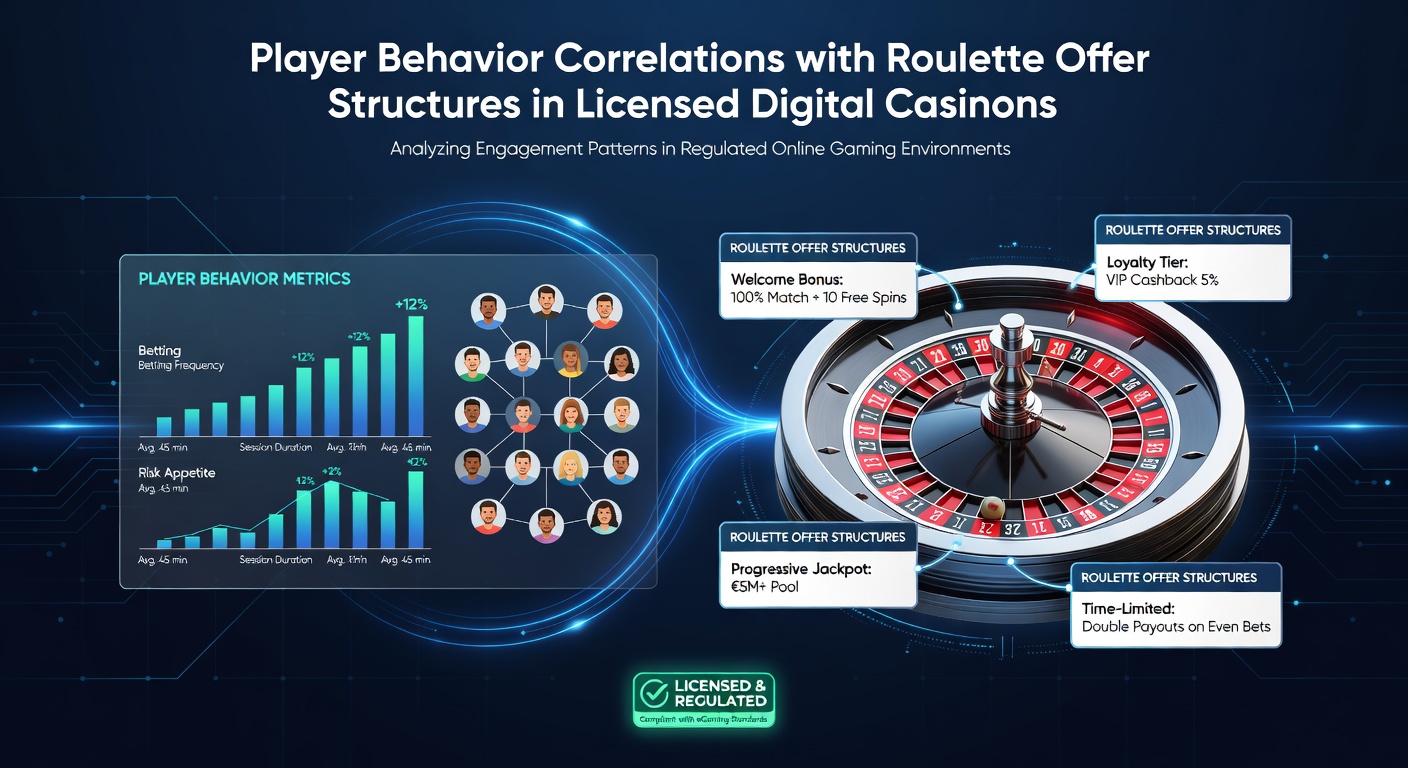
Player Behavior Correlations with Roulette Offer Structures in Licensed Digital Casinos
Research indicates that offer structures in licensed digital casinos influence how players engage with roulette games, and data from multiple jurisdictions shows measurable patterns in session duration, wager frequency, and account retention. Licensed operators track these metrics through anonymized player data systems that comply with regional gaming regulations, which allows analysts to identify correlations without accessing personal identifiers. Studies from North American markets reveal that cashback offers tied directly to roulette losses tend to extend average session lengths by 15 to 25 percent compared with flat deposit matches. Players respond to immediate loss recovery mechanisms by placing more bets within the same visit, yet the overall bet size per spin often remains stable across different player segments.Offer Structures and Their Components
Roulette-specific promotions typically combine several elements that operators adjust based on regulatory requirements and platform goals. These include percentage-based deposit matches with wagering multipliers, loss rebates calculated on net losses over a defined period, and time-limited free bet credits that must be used on wheel games. Each component creates distinct incentive pathways that players navigate differently depending on their established play habits.
Operators in New Jersey and Pennsylvania have reported that offers with lower wagering requirements on roulette bets correlate with higher repeat visit rates within a 30-day window. In contrast, promotions that apply the same requirements across all game types show more even distribution of play across table games and slots, according to aggregated data shared by the American Gaming Association.
Behavioral Patterns Across Player Segments
High-frequency players demonstrate stronger responses to ongoing reload bonuses that reset weekly, while occasional participants engage more readily with one-time welcome packages that include roulette-specific credits. Data collected from licensed platforms indicates that players who accept multiple concurrent offers tend to increase their total roulette handle, yet they also show elevated rates of account dormancy after the promotional period ends.
Researchers tracking European markets have noted similar trends where loyalty-based cashback tiers encourage sustained low-stakes play rather than aggressive bet escalation. These patterns emerge consistently in datasets from operators licensed under the Malta Gaming Authority and the Alcohol and Gaming Commission of Ontario, suggesting regional regulatory frameworks shape how offers are structured and how players interact with them.
Data Insights from Recent Platform Analytics
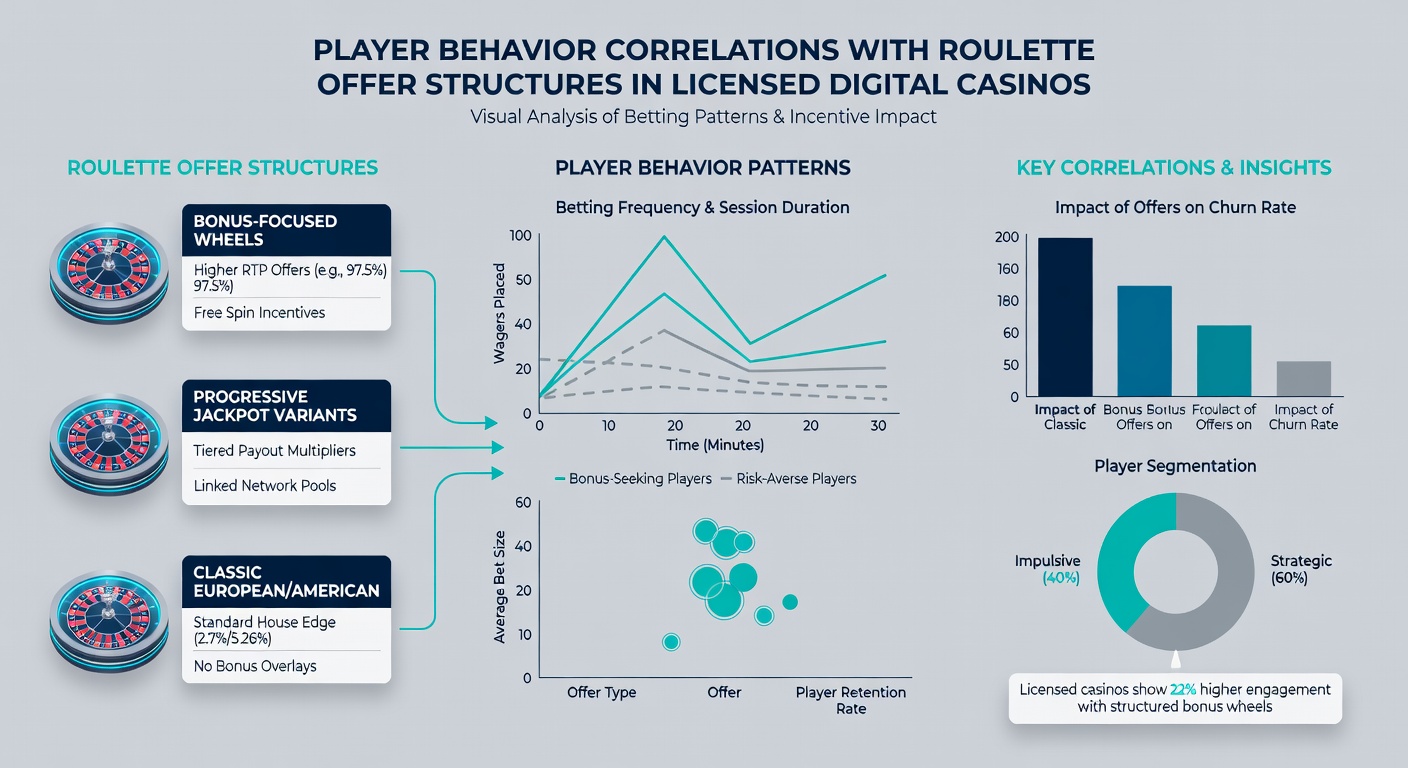
Platform analytics from the first quarter of 2026 indicate that roulette offers featuring tiered cashback levels produce steadier retention curves than single-threshold promotions. Players advance through tiers at different speeds, and those who reach higher rebate percentages maintain activity levels for longer periods before any decline appears. This progression effect appears most pronounced among players who began with mid-range deposit amounts rather than the smallest or largest tiers.
Cross-platform comparisons conducted by independent research groups show that mobile roulette sessions paired with instant bonus notifications generate shorter but more frequent visits than desktop sessions that require players to claim offers through account menus. The difference becomes noticeable in markets where operators must display responsible gaming messaging alongside promotional content, as required by bodies such as the Alcohol and Gaming Commission of Ontario.
Regulatory Influences on Offer Design
Licensing conditions in multiple jurisdictions now require operators to publish clear terms for all roulette promotions, which has reduced ambiguity that previously led some players to misunderstand wagering conditions. As of May 2026, several U.S. states have updated their reporting standards to include separate categories for table game bonuses, allowing regulators and researchers to track how these offers affect player behavior with greater precision.
These transparency measures have enabled more accurate correlation studies because players encounter fewer unexpected restrictions when converting bonus funds into withdrawable cash. Observers note that clearer terms correlate with lower complaint volumes related to roulette promotions across licensed sites operating in regulated markets.
Conclusion
Available data from licensed digital casinos demonstrates consistent correlations between specific roulette offer structures and measurable aspects of player behavior, including session frequency, duration, and retention timelines. Regulatory reporting requirements continue to improve the quality of datasets that researchers and operators use to examine these relationships. Patterns observed in 2026 reflect ongoing adjustments by platforms responding to both player responses and evolving compliance standards across different regions.