Mapping Incentive Designs in Online Roulette to Patterns of Persistent User Activity
Clara Günther · Aug 18, 2026

Mapping Incentive Designs in Online Roulette to Patterns of Persistent User Activity
Data from multiple jurisdictions shows that structured reward systems in digital roulette environments connect directly to measurable shifts in how users maintain activity over extended periods, and platforms adjust these systems based on retention analytics collected through 2026.
Regulatory filings indicate that incentive frameworks typically include deposit matches, cashback percentages, and loyalty point accumulations tied to wheel spins, while operators track session lengths, repeat visits, and cross-game migration rates to assess effectiveness.
Core Components of Roulette Incentive Structures
Analysts note that many platforms layer welcome packages with ongoing reload offers, where the first deposit bonus often reaches 100 percent up to a defined limit and subsequent promotions scale according to player volume, and these elements combine with time-limited multipliers that activate during peak hours to influence immediate engagement spikes.
Figures reveal that cashback programs return between 5 and 15 percent of net losses weekly in several markets, creating a feedback loop that encourages continued play even after short-term setbacks, whereas tiered loyalty systems award escalating benefits as cumulative wagers increase across months.
Retention Metrics Across Digital Platforms
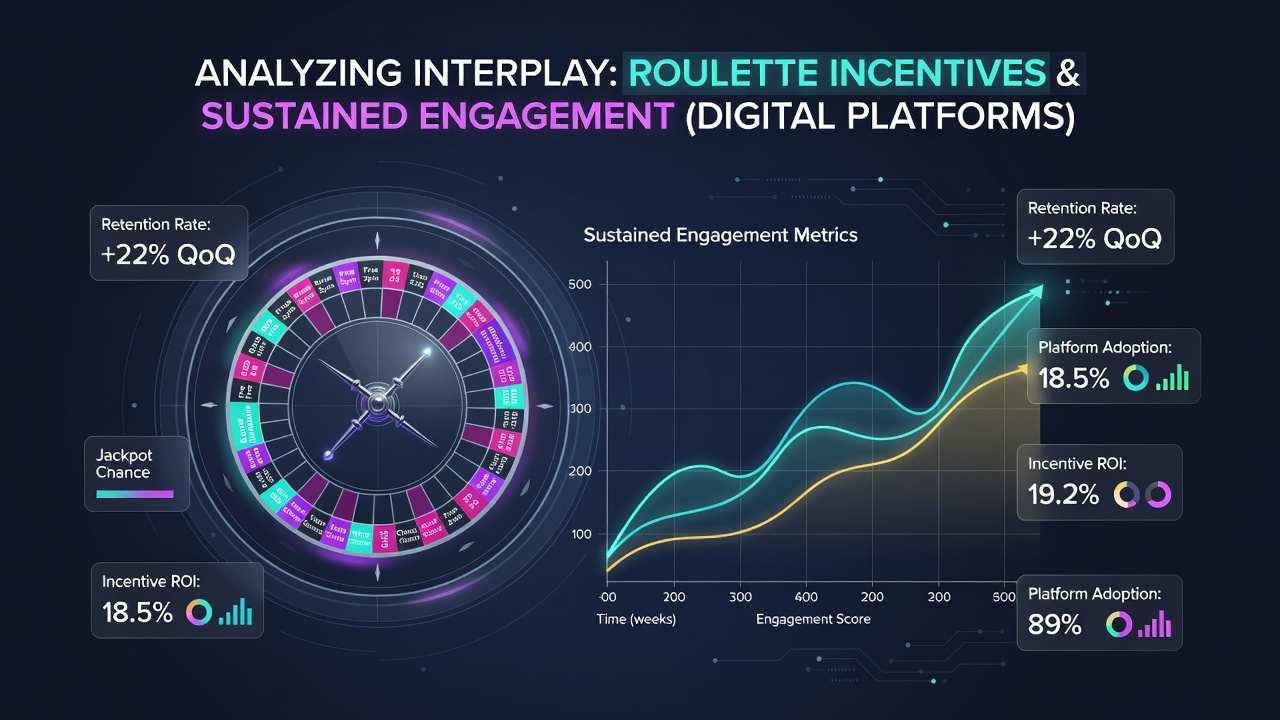
Industry reports compiled through August 2026 demonstrate that average user lifespan on platforms offering progressive incentives extends by several weeks compared to those without structured rewards, and daily active user counts rise when bonus wagering requirements align with typical session patterns rather than exceeding them substantially.
Cross-platform data shows users who redeem multiple incentive types within the first 30 days exhibit higher probabilities of maintaining accounts beyond 90 days, with mobile applications recording particularly strong correlations between push-notification alerts for new offers and subsequent login frequency.
Observed Interactions Between Rewards and Activity
Research compiled by academic groups at institutions in North America and Europe finds that incentives emphasizing free spins on roulette variants produce stronger retention signals than flat deposit bonuses alone, because the zero-financial-risk element allows users to explore game variants without immediate commitment, leading to broader platform exploration.
Yet when wagering requirements climb above 30 times the bonus value, completion rates drop sharply and many accounts show reduced activity after the initial promotional period ends, according to aggregated transaction logs from licensed operators in multiple regions.
Regional Variations in August 2026 Data
Records from the New Jersey Division of Gaming Enforcement highlight that online roulette segments experienced steady month-over-month growth in player hours during summer 2026, coinciding with refined bonus structures that reduced expiration windows on promotional credits. New Jersey Division of Gaming Enforcement statistics further indicate that platforms introducing personalized reward tiers based on individual play history saw above-average retention among mid-volume users.
Separately, reports from Australian regulatory bodies document similar patterns where loyalty-linked incentives tied to verified accounts correlate with lower churn rates across state-licensed digital offerings, although overall engagement levels vary according to local responsible gambling tools that cap bonus usage.
Analytical Approaches to Measuring Interplay
Statistical models applied to large datasets separate the effects of incentive timing from those of game mechanics, revealing that offers delivered immediately after a completed session tend to generate higher return rates than those sent at random intervals, and segmentation by demographic groups shows younger cohorts respond more strongly to multiplier events while older cohorts favor cashback stability.
Platform operators apply these models to refine frameworks, adjusting parameters such as maximum bonus amounts and eligible game contributions in response to observed changes in weekly retention curves throughout 2026.
Conclusion
Available evidence across licensed digital environments establishes clear linkages between specific incentive design choices and measurable user persistence indicators, with outcomes shaped by regional regulations, platform delivery methods, and evolving player response patterns recorded as recently as August 2026. Continued monitoring through regulatory and academic channels will clarify how these relationships develop alongside technological and market shifts.