Mapping How Free Spin Mechanics Influence Long-Term Engagement in Online Wheel-Based Gaming Environments
Sam Perry · Aug 4, 2026
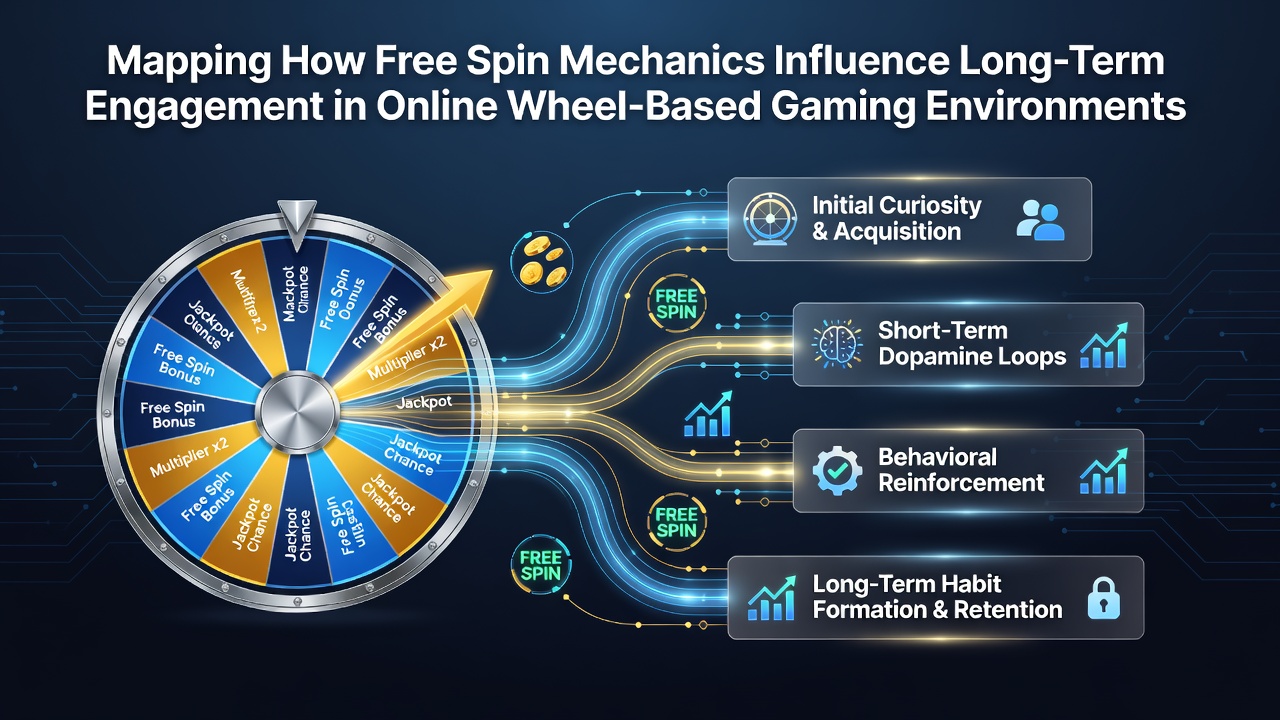
Mapping How Free Spin Mechanics Influence Long-Term Engagement in Online Wheel-Based Gaming Environments
Free spin mechanics sit at the center of many online wheel-based platforms, where digital roulette wheels and similar spin interfaces deliver repeated opportunities without additional wagers. Researchers tracking player activity across multiple jurisdictions have mapped how these triggers connect to session length and return visits. Data collected through 2025 into August 2026 shows consistent patterns in how bonus spin frequency and reel weighting alter the pace at which users re-engage with the same title.
Core Components of Free Spin Systems
Wheel-based environments typically award free spins through scatter symbols, deposit milestones, or random reel events. Each award carries parameters that include spin count, multiplier ceilings, and eligibility for retriggers. Studies from the Australian Gambling Research Centre indicate that platforms adjusting retrigger thresholds upward see measurable lifts in average session duration, while those capping multipliers experience quicker drop-off after the initial bonus round completes. Observers note that the distribution of these parameters across different game libraries creates distinct retention signatures that operators monitor through cohort analysis.
Engagement Metrics and Longitudinal Tracking
Long-term engagement appears in metrics such as seven-day return rate, monthly active user retention, and cross-session deposit frequency. Analysts at the Nevada Gaming Control Board have compiled anonymized telemetry showing that users receiving at least one free spin sequence per session maintain higher seven-day return rates than those without such triggers. The same datasets reveal that spin sequences incorporating progressive multipliers correlate with elevated deposit activity in the subsequent 48 hours, although the effect tapers when sequences exceed a certain length. These observations come from aggregated logs across licensed platforms rather than individual player records.
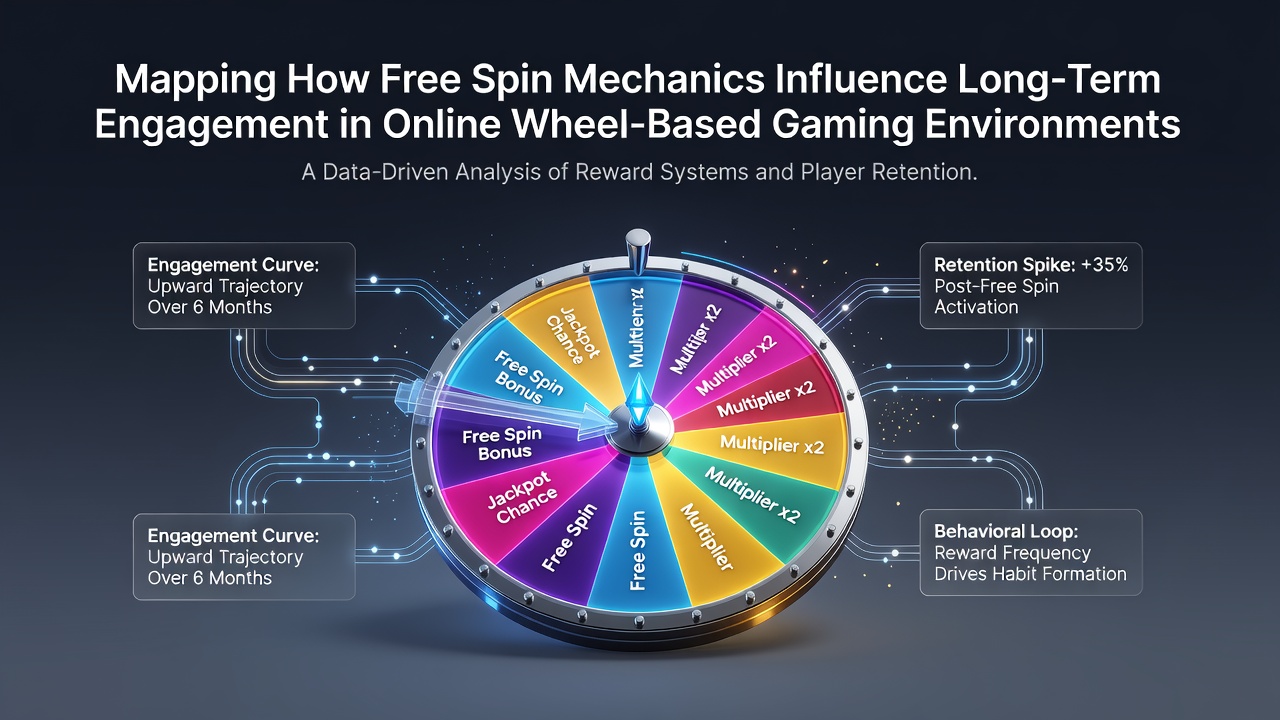
Further mapping exercises separate free spin types by acquisition method. Spins earned through gameplay events versus those granted via external promotions produce different retention curves. Research teams at the University of Las Vegas International Gaming Institute have documented that in-game earned spins sustain longer engagement tails, whereas promotional spins often generate sharp spikes followed by rapid normalization. The distinction matters for operators constructing loyalty frameworks that balance acquisition incentives with ongoing play patterns.
Regional Variations in Mechanic Deployment
Regulatory frameworks shape how free spin parameters reach players. In New Jersey, the Division of Gaming Enforcement requires clear disclosure of spin value and wagering requirements before any sequence begins, a rule that influences how operators design visibility of bonus rounds. European markets under the Malta Gaming Authority apply similar transparency standards while also limiting maximum spin counts in certain verticals. Data released in mid-2026 by both bodies shows parallel trends: platforms that surface free spin terms prominently record steadier month-over-month retention compared with those that bury the details.
Cross-border comparisons further illustrate the point. Canadian provincial regulators and Australian state commissions have each released quarterly summaries that track bonus spin redemption against player return metrics. Although collection methods differ, both sets of figures point to a shared outcome where moderate-frequency, moderate-multiplier spins produce more stable engagement than either high-volume low-value or low-volume high-value offerings. Those who've examined the datasets note that the sweet spot shifts slightly by market maturity and average player age bracket.
Behavioral Correlations and Platform Adjustments
Platform teams adjust free spin algorithms in response to live dashboards that flag when retention curves flatten. One documented case involved a wheel title whose retrigger rate was lowered after internal modeling predicted diminishing returns beyond a set threshold. Post-adjustment telemetry indicated that users completed more base-game spins between bonus events, extending overall lifetime value without increasing total bonus volume. Similar iterative tuning occurs across multiple studios, each relying on anonymized cohort data rather than individual tracking.
Academic papers from the Canadian Centre on Substance Use and Addiction have examined how free spin density interacts with responsible gaming tools such as session reminders and deposit limits. Their findings suggest that clear labeling of spin value helps players maintain self-imposed boundaries even while bonus mechanics encourage continued play. The interaction between mechanic design and harm-minimization features continues to draw attention from both regulators and researchers as markets expand.
Conclusion
Mapping exercises across multiple regulatory environments demonstrate that free spin mechanics exert measurable influence on long-term engagement in wheel-based online gaming. Frequency, multiplier structure, acquisition method, and transparency requirements each contribute distinct signals to retention data. As operators refine these parameters through ongoing analysis, the resulting patterns offer clearer insight into how bonus design shapes player behavior across different jurisdictions and time horizons.