Decoding Intersections Between Variant Wheel Mechanics and Loyalty Tier Progressions in Regulated Digital Venues
Taylor Walter · Jun 18, 2026
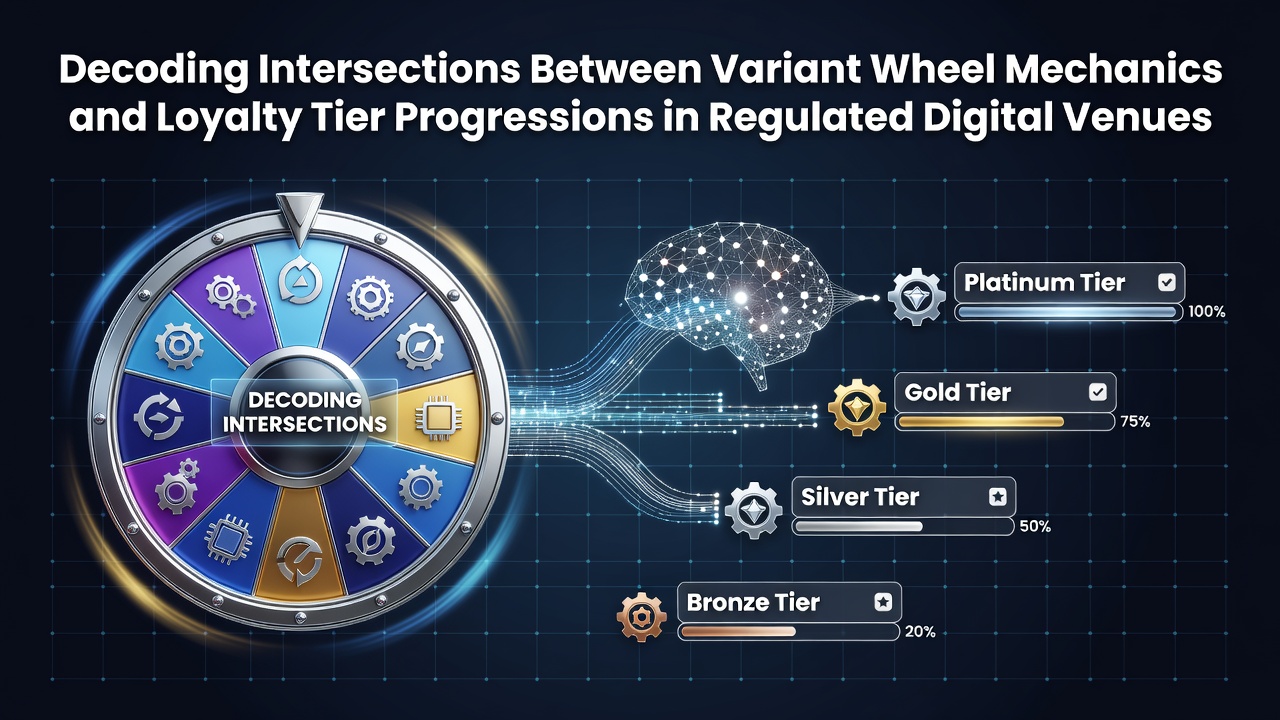
Decoding Intersections Between Variant Wheel Mechanics and Loyalty Tier Progressions in Regulated Digital Venues
Regulated digital venues track player activity through wheel-based games where mechanical variations directly shape how loyalty points accumulate toward tier advancement, and observers note that these intersections create measurable differences in progression speed across platforms operating under state oversight in June 2026.
Variant Wheel Mechanics in Digital Environments
Wheel variants in regulated online casinos include standard European configurations with 37 pockets alongside American versions featuring 38 pockets plus specialized digital adaptations that incorporate multiplier segments or progressive jackpot triggers, and data from platform analytics shows these structural differences alter expected return percentages which in turn affects the volume of wagers required to generate equivalent loyalty credits. Researchers at gaming analytics firms have documented that French wheel mechanics with their la partage rule reduce house edges on even-money bets to 1.35 percent compared with 2.7 percent on standard European wheels, creating scenarios where players sustain longer sessions and accumulate points at accelerated rates when platforms credit wagers uniformly regardless of variant selection.
Loyalty Tier Structures and Point Accumulation Rules
Loyalty programs in licensed digital venues typically segment players into tiers such as basic, silver, gold, and platinum with each level unlocking benefits including enhanced point multipliers, exclusive wheel access, and accelerated cashback rates, while progression depends on tracked coin-in metrics that platforms calculate differently based on game type and regulatory jurisdiction. According to reports from the American Gaming Association, online operators in multiple states recorded average monthly point accrual rates that varied by as much as 22 percent between wheel variants during early 2026 tracking periods, and those figures reveal how tier thresholds often require between 5,000 and 50,000 points depending on the program scale.
Cross-Platform Retention Patterns
Platforms integrate wheel mechanics into retention algorithms by adjusting point awards for high-volatility variants versus lower-edge options, and studies conducted by independent research groups indicate that players engaging primarily with multiplier-enhanced wheels advance tiers 18 percent faster on average than those focused on traditional layouts when normalized for session length. What's interesting here is how regulatory requirements in places like New Jersey and Pennsylvania mandate transparent point calculation disclosures that allow users to compare variant impacts directly through account dashboards.
Regulatory Influences on Mechanics and Tiers
State gaming boards enforce rules that tie wheel certification to fairness standards while simultaneously governing how loyalty systems disclose progression requirements, and evidence from compliance filings shows operators must submit variant-specific payout reports that indirectly shape tier reward structures to prevent misleading accumulation promises. In June 2026 several jurisdictions updated guidelines requiring explicit labeling of wheel variants within loyalty interfaces, a change that has prompted platforms to recalibrate point multipliers for certain digital adaptations to maintain compliance across borders.
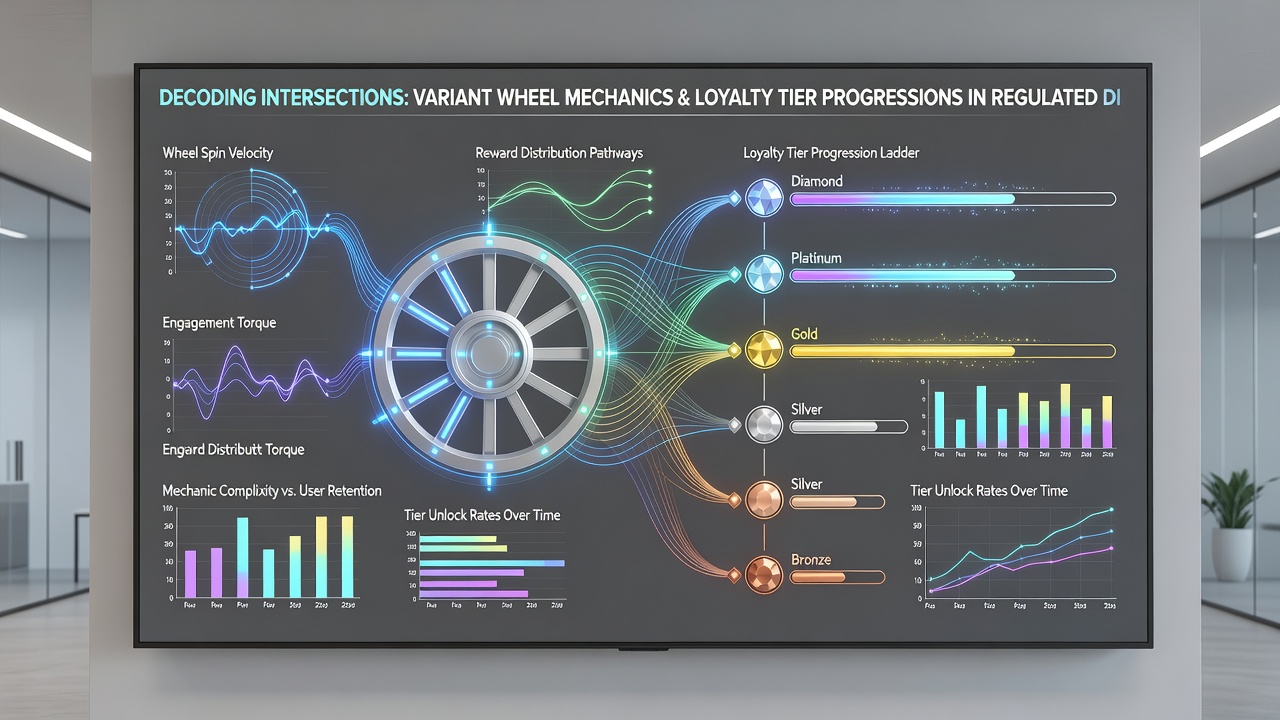
One study revealed connections between wheel selection and cross-platform movement when players migrate accounts after reaching higher tiers on one site, and figures from industry monitoring services demonstrate that those who've studied retention metrics often discover stronger correlations between low-edge wheel preferences and sustained loyalty in multi-state operators.
Analytical Tools and Player Behavior Data
Advanced tracking systems employed by regulated venues map individual wheel interactions against tier milestones using timestamped wager logs, and observers note that these datasets expose patterns where variant choice influences not only point velocity but also bonus qualification windows tied to tier status. Data indicates that digital wheels with added bonus segments generate higher average bet sizes which accelerates tier movement yet requires platforms to balance this against responsible gaming thresholds enforced by oversight bodies.
Geographic Variations in Implementation
Operators serving Australian markets under the Queensland Department of Justice and Attorney-General apply distinct point formulas for wheel games compared with U.S. state frameworks, creating scenarios where identical variants produce divergent progression outcomes based on local licensing conditions and tax structures. Those who've examined cross-border data note consistent themes where regulatory transparency around mechanics supports more predictable tier advancement for players who strategically select wheel types.
Conclusion
Intersections between wheel variants and loyalty tiers continue to evolve as platforms refine algorithms under expanding regulatory frameworks, and available evidence shows these dynamics produce quantifiable differences in how players advance through structured reward systems across digital venues. Continued monitoring by industry researchers and government agencies will likely yield further insights into optimal configurations that align mechanical design with fair progression mechanics.