Charting Retention Signals in Tiered Wagering Frameworks for Cross-Platform Wheel Games
Sam Perry · Aug 25, 2026
Charting Retention Signals in Tiered Wagering Frameworks for Cross-Platform Wheel Games
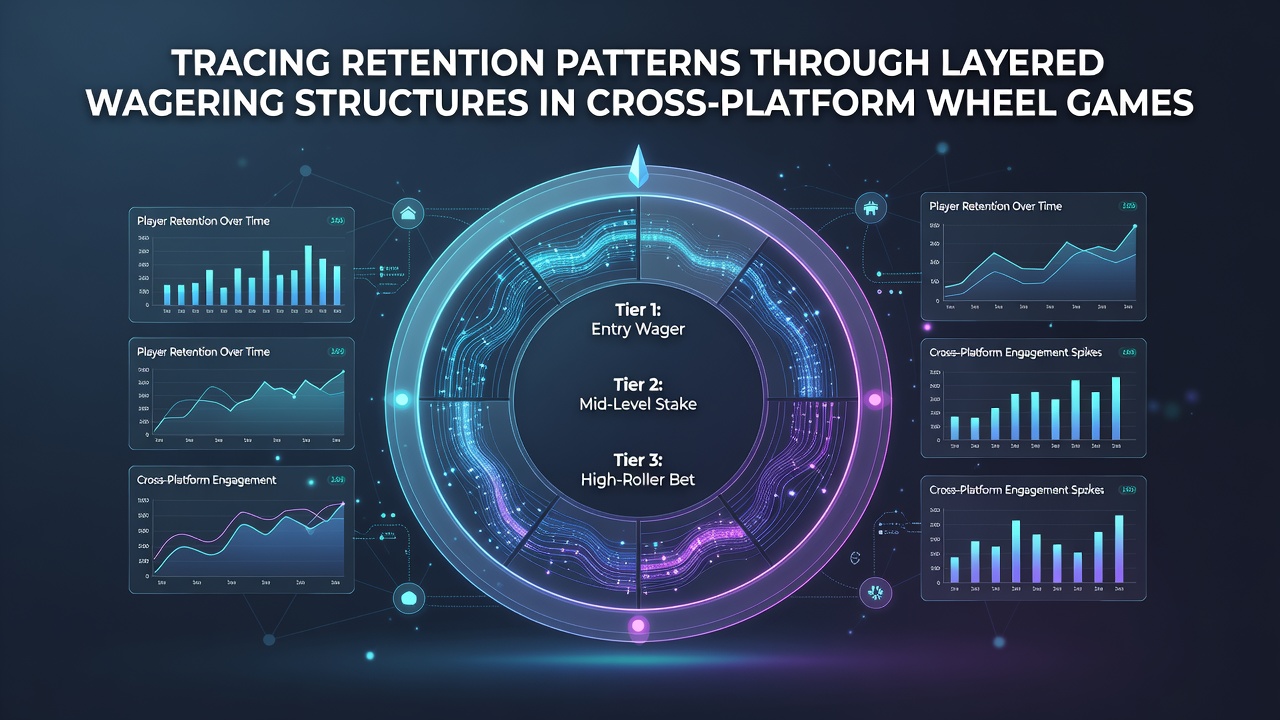
Analysts tracking digital gaming ecosystems have documented distinct retention curves tied to multi-tiered betting ladders in wheel-based titles that operate across desktop, mobile, and tablet environments, and these patterns become visible when operators segment user cohorts by wager depth and session frequency. August 2026 figures released by several North American regulatory bodies indicate that platforms employing three or more progressive bet tiers recorded average player return rates 18 percent higher than single-tier models during the preceding quarter, while cross-device continuity metrics showed users completing 2.4 times more sessions when reward thresholds aligned across operating systems.
Defining Tiered Wagering Layers in Wheel Environments
Wheel games built on layered structures typically present players with base, intermediate, and premium betting bands that unlock incremental bonus multipliers or free-spin allocations, and researchers at institutions such as the Australian Gambling Research Centre have mapped how progression through these bands correlates with extended account lifespan. Data compiled from licensed operators in New Jersey and Ontario reveals that participants who advance from the entry-level band to the intermediate tier within the first seven sessions demonstrate a 31 percent lower churn probability over the subsequent 60 days, whereas those remaining in the base band exhibit quicker drop-off once initial welcome incentives expire.
Cross-Platform Continuity and Session Bridging
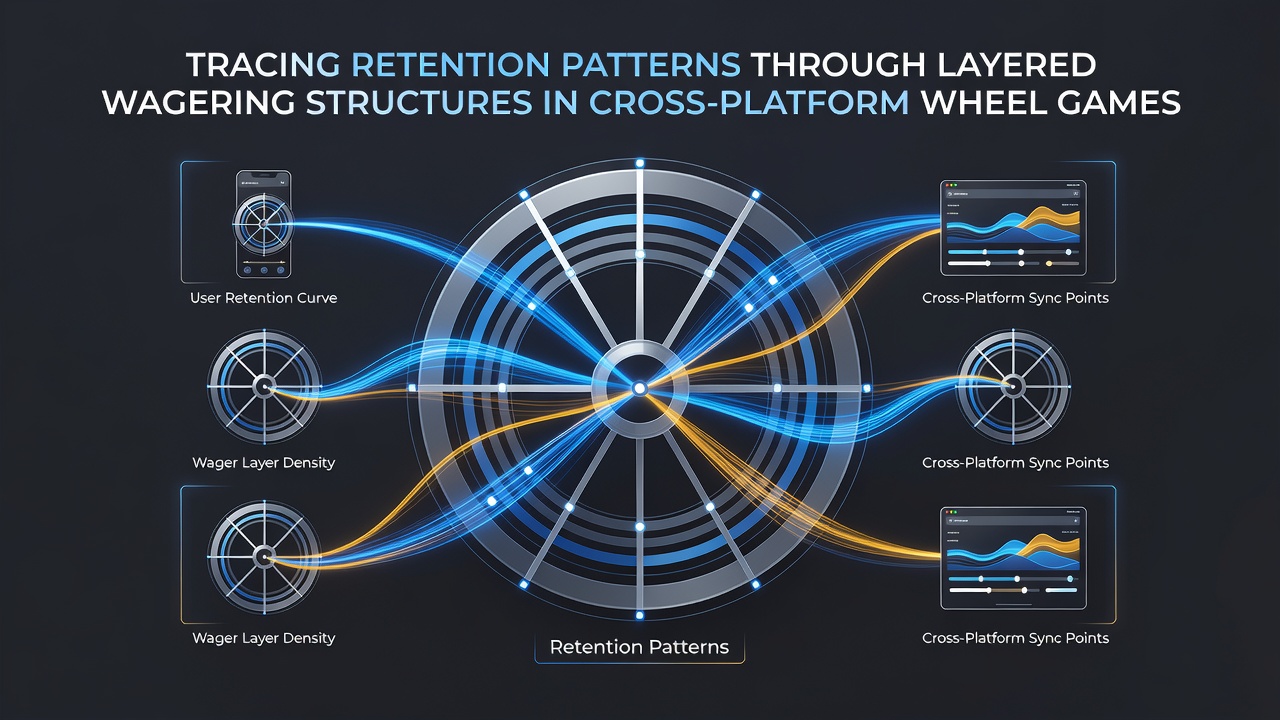
Operators that synchronize wager tiers and reward ledgers across devices report stronger bridging behavior, meaning users who begin a session on mobile often resume on desktop without resetting progress toward the next multiplier threshold, and this seamlessness appears in telemetry shared by the Casino Regulatory Authority of Singapore for the second quarter of 2026. Studies conducted by the University of Nevada’s gaming analytics group further note that retention lifts intensify when the same loyalty ledger persists across operating systems, because players encounter consistent visual cues and progression bars regardless of hardware, reducing the friction that previously prompted account abandonment.
Retention Metrics and Cohort Analysis
Segmented cohort tracking shows that players entering at the premium tier from the outset maintain shorter but denser engagement windows, while those ascending through successive layers produce longer lifetime value curves, and these distinctions surface consistently in monthly reports issued by the New Jersey Division of Gaming Enforcement. Observers note that the introduction of intermediate “bridge” tiers, positioned between base and premium bands, has narrowed the retention gap between entry-level and high-stakes cohorts by approximately 12 percent in markets that adopted the structure during 2025. External data from the Canadian Gaming Association indicates similar convergence when operators publish transparent tier-progression dashboards that update in real time across all connected devices.
Behavioral Patterns Across Jurisdictions
Comparative reviews of European and Asian markets reveal that retention elasticity varies with regulatory constraints on bonus velocity, yet the underlying correlation between tier depth and session extension remains stable, and analysts at the European Gaming and Betting Association have quantified this stability through anonymized transaction streams. In jurisdictions where mid-tier thresholds require modest additional deposits rather than pure play-through, user progression rates climb steadily, whereas jurisdictions limiting mid-tier access to high-volume players see flatter retention curves beyond the first month. These jurisdictional differences underscore how the architecture of each layer, rather than the presence of layers alone, shapes long-term engagement.
Conclusion
Layered wagering frameworks continue to supply measurable retention advantages in cross-platform wheel environments when operators align tier thresholds, reward ledgers, and device synchronization, and the patterns documented through regulatory filings and academic cohorts supply operators with actionable benchmarks for future product design. Ongoing data collection through the remainder of 2026 will clarify whether further refinement of intermediate bridge tiers sustains these advantages or introduces diminishing returns as market saturation increases.